Reports & Publications
Our full catalogue of research reports, policy briefs, and working papers — all freely available for download. Every publication is grounded in primary field research and peer review.
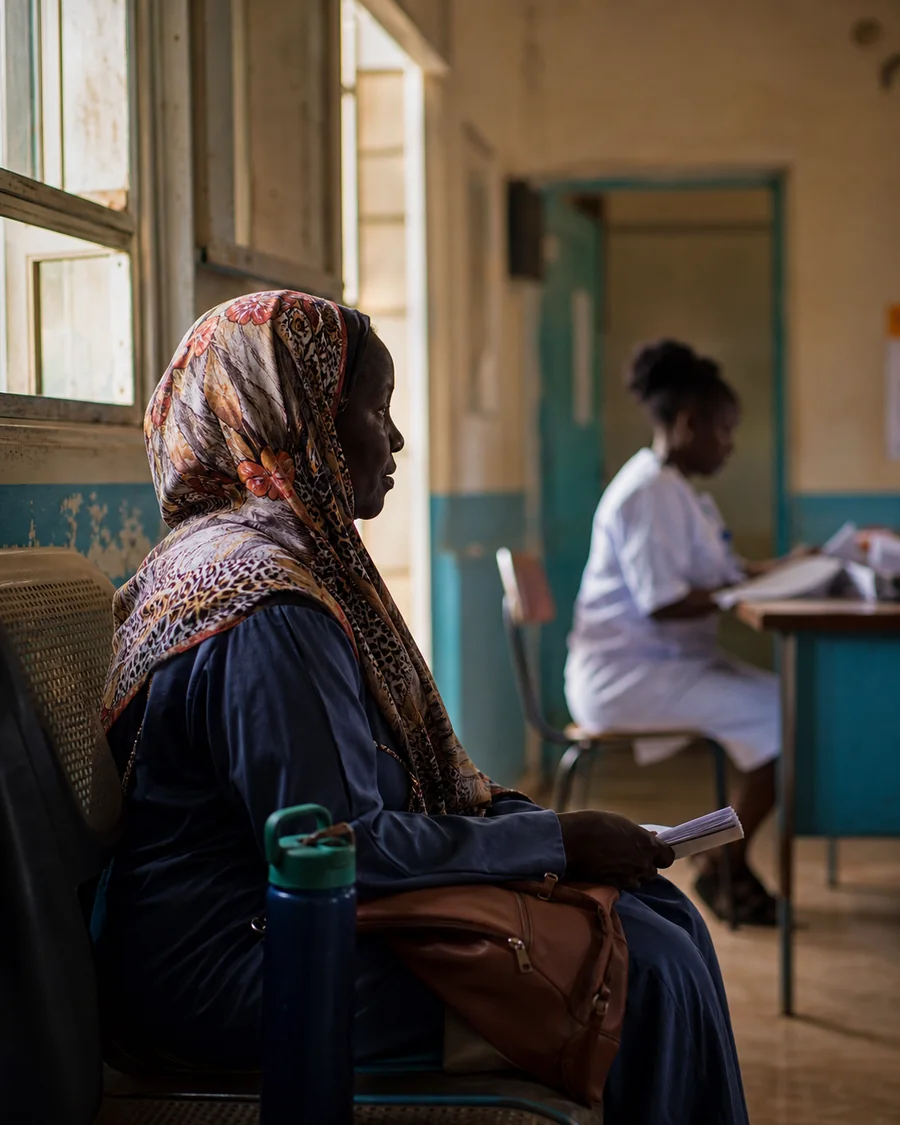 Policy Brief · Health · Climate
Who Gets Care and Who Doesn't? Closing Migrant Healthcare Gaps Under Climate Stress in Kenya and South Africa
A concise policy brief translating comparative research into practical reforms for healthcare systems serving migrants, refugees and asylum seekers under growing climate pressure.
Published jointly by OLAM Africa Research Institute and Migration Pulse Hub. The brief draws on fieldwork conducted from January to April 2026 in Kenya and South Africa.
Policy Priorities
- Connect refugee registration with national health, insurance and digital systems in Kenya.
- Standardise healthcare access procedures and accepted documentation across facilities in South Africa.
- Plan staffing, infrastructure and financing around actual and changing populations rather than static estimates.
- Link climate adaptation, migration governance, health planning and emergency response.
- Resource community health workers, refugee-led organisations and migrant networks that bridge people to formal care.
Health · Mobility · ClimateWho Gets Care and Who Doesn't? Migrants and Healthcare Access Under Climate Stress in Kenya and South Africa
A comparative qualitative study of how climate pressure, mobility, documentation, and frontline decision-making shape access to public healthcare in Kenya and South Africa.
Jointly produced by OLAM Africa Research Institute and Migration Pulse Hub. Fieldwork was conducted from January to April 2026 in Nairobi, Kakuma, Kalobeyei, Dadaab, Gauteng, Johannesburg, and KwaZulu-Natal.
Key Findings
- In Kenya, access often breaks down when refugee documentation is not recognised across health, insurance, and digital systems.
- In South Africa, formal entitlement is unevenly applied, so similar patients can receive different treatment depending on the facility or staff member.
- Across both countries, cost, documentation barriers, and fear of rejection cause migrants and refugees to delay or avoid care.
- Climate-related floods, droughts, and extreme heat increase demand while leaving existing access barriers unchanged.
- The report calls for health systems planned around mobility, integrated refugee healthcare, consistent frontline standards, and aligned climate, migration, and health policy.
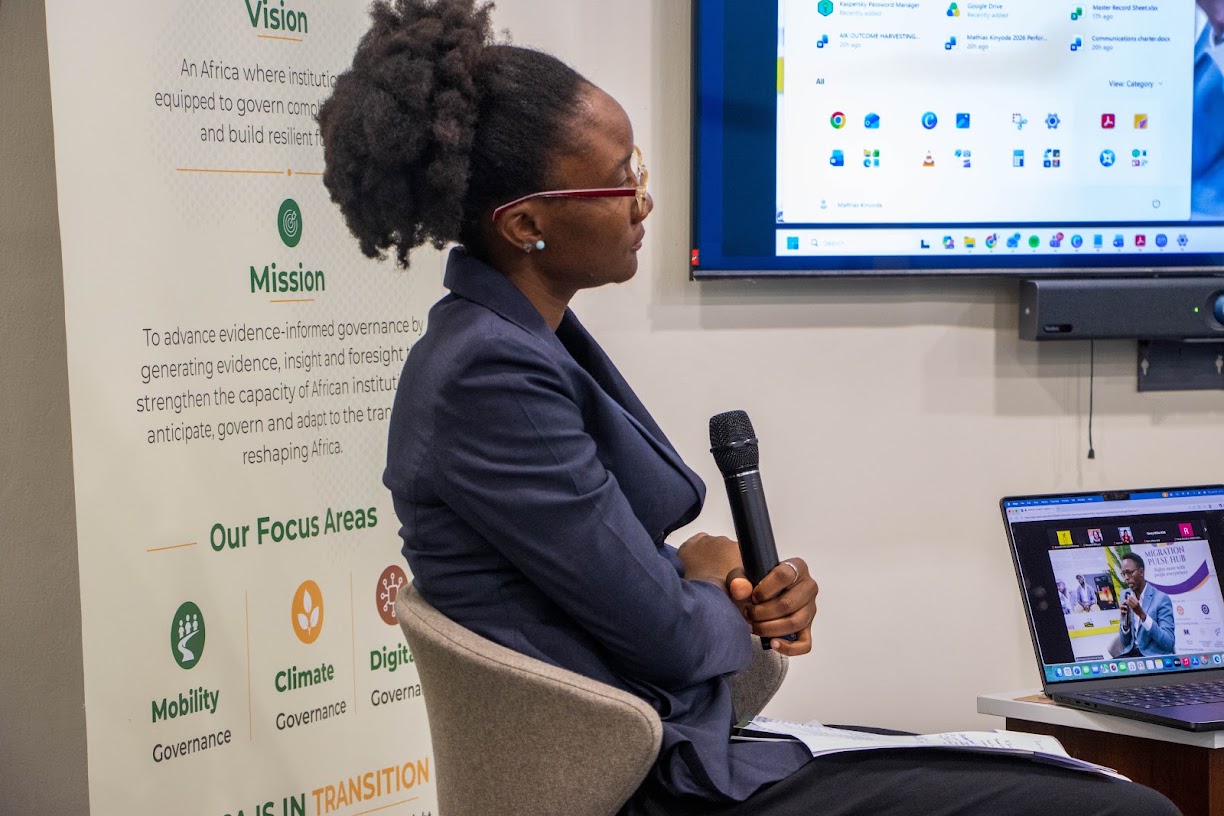
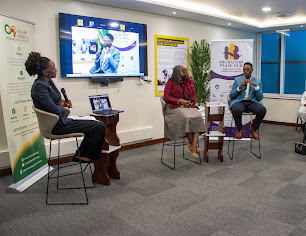
Launching the Research
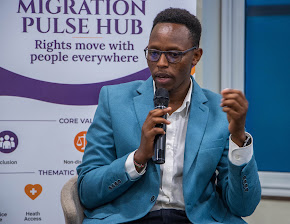
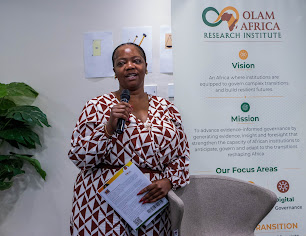
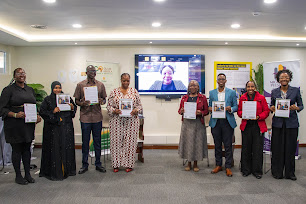
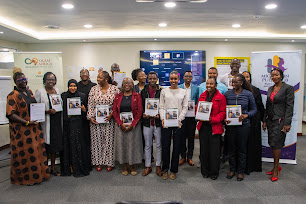
Highlights from the joint Migration Pulse Hub and OLAM Africa Research Institute launch on 23 July 2026.

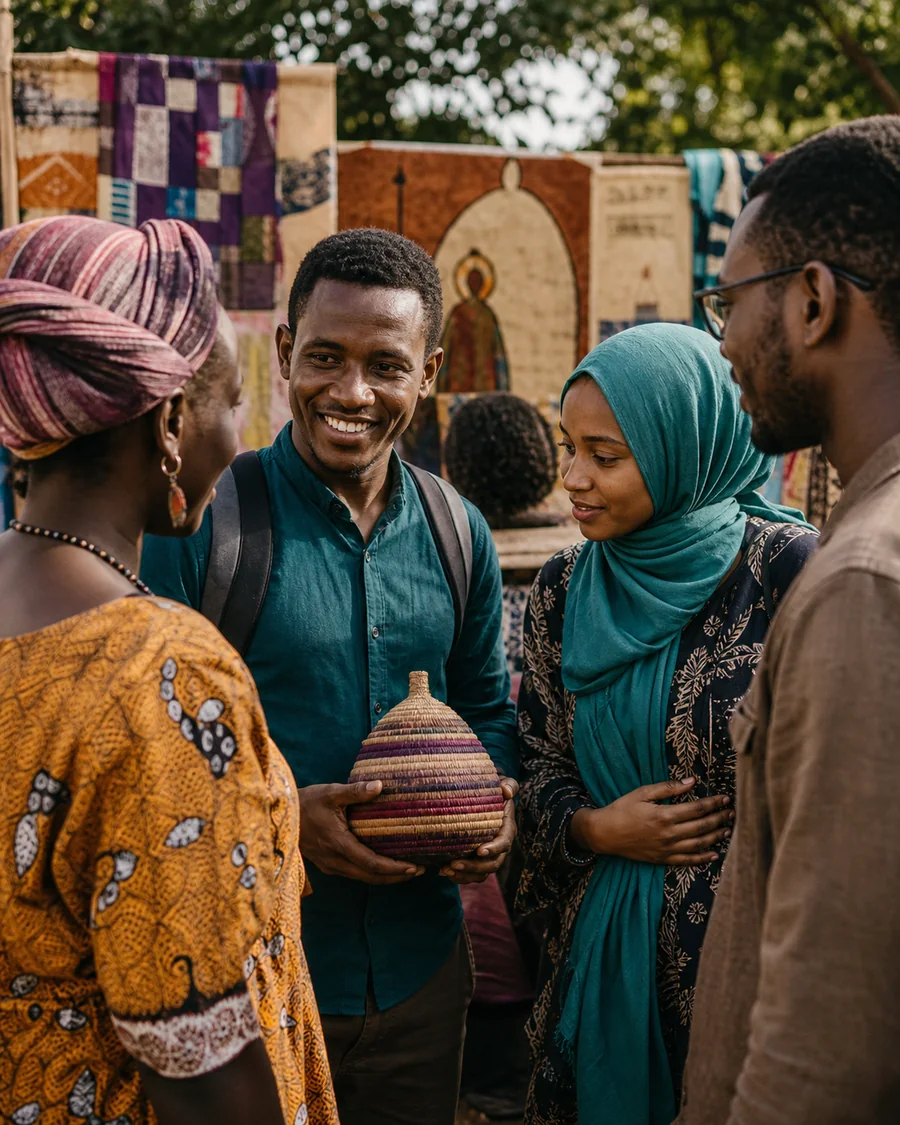 Culture · Community · Belonging
Refugee Week Kenya Cross-Culture Festival 2026 Report
The official report from the inaugural national Refugee Week celebration in Kenya, co-convened by Migration Pulse Hub and Umoja Refugee Creatives.
Impact at a Glance
- 300–500 participants attended each festival day, with 700–1,200 refugees reached.
- 102 households were supported with Social Health Authority registration.
- Sixteen refugee-led organisations and seventeen partner organisations took part.
- Sixteen exhibitors showcased art, crafts, digital technology, fashion, and culinary enterprise.
- The programme concluded with a 3 July hybrid webinar marking the 75th anniversary of the 1951 Refugee Convention.
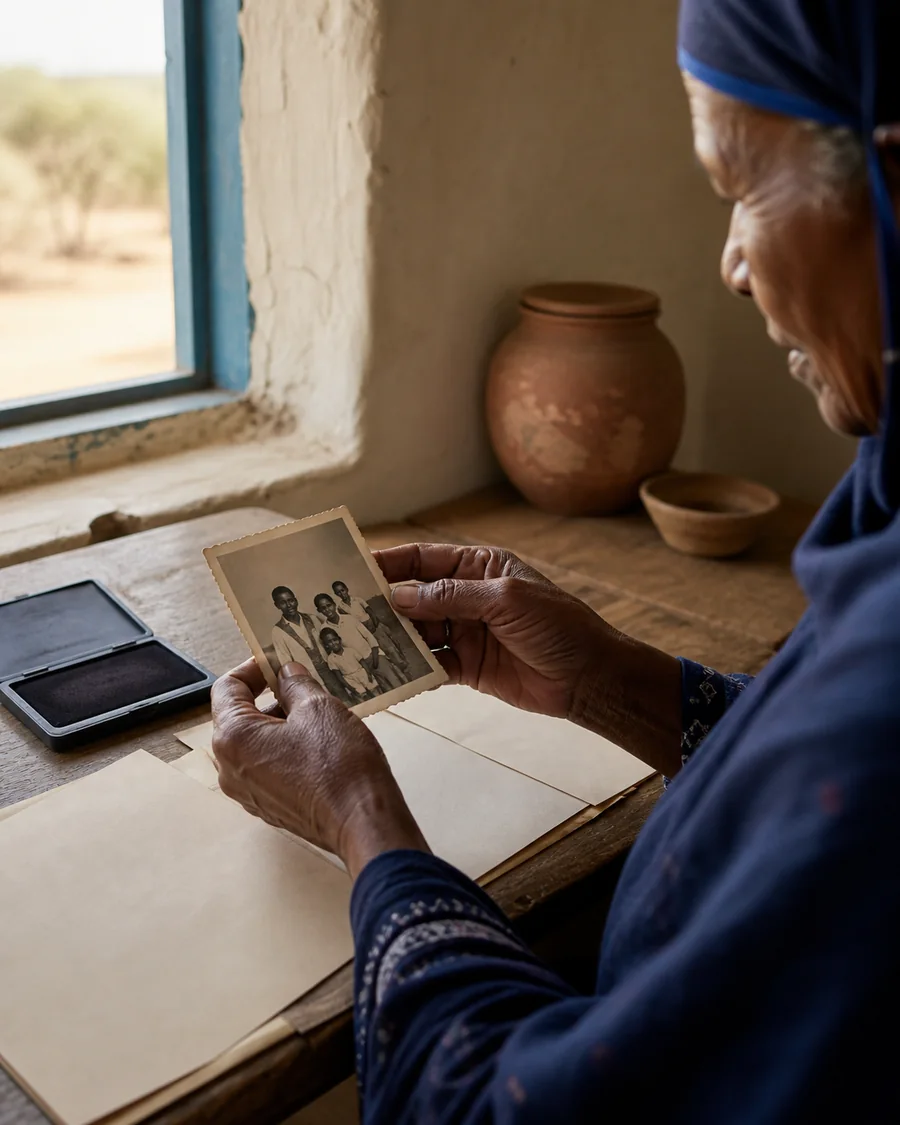 Identity · Documentation · Belonging
Ending Statelessness in East Africa: Legislative Gaps and Reform Pathways
A comparative analysis of nationality laws across eight East African countries, with targeted legislative reform recommendations for each jurisdiction.
PDFs are available free of charge on request — email us at info@migrationpulsehub.org.
Citation: Migration Pulse Hub, Ending Statelessness in East Africa, 2025, migrationpulsehub.org
Key Findings
- Six of eight countries still have gender-discriminatory nationality laws that prevent mothers from conferring citizenship to their children.
- An estimated 700,000 people in East Africa are stateless — the majority from pastoralist communities whose nomadic movement crosses administrative boundaries.
- Only Kenya and Uganda have ratified both the 1954 Convention Relating to the Status of Stateless Persons and the 1961 Convention on the Reduction of Statelessness.
- Birth registration rates among stateless communities average 23% — compared to a regional average of 61% — creating generational statelessness.
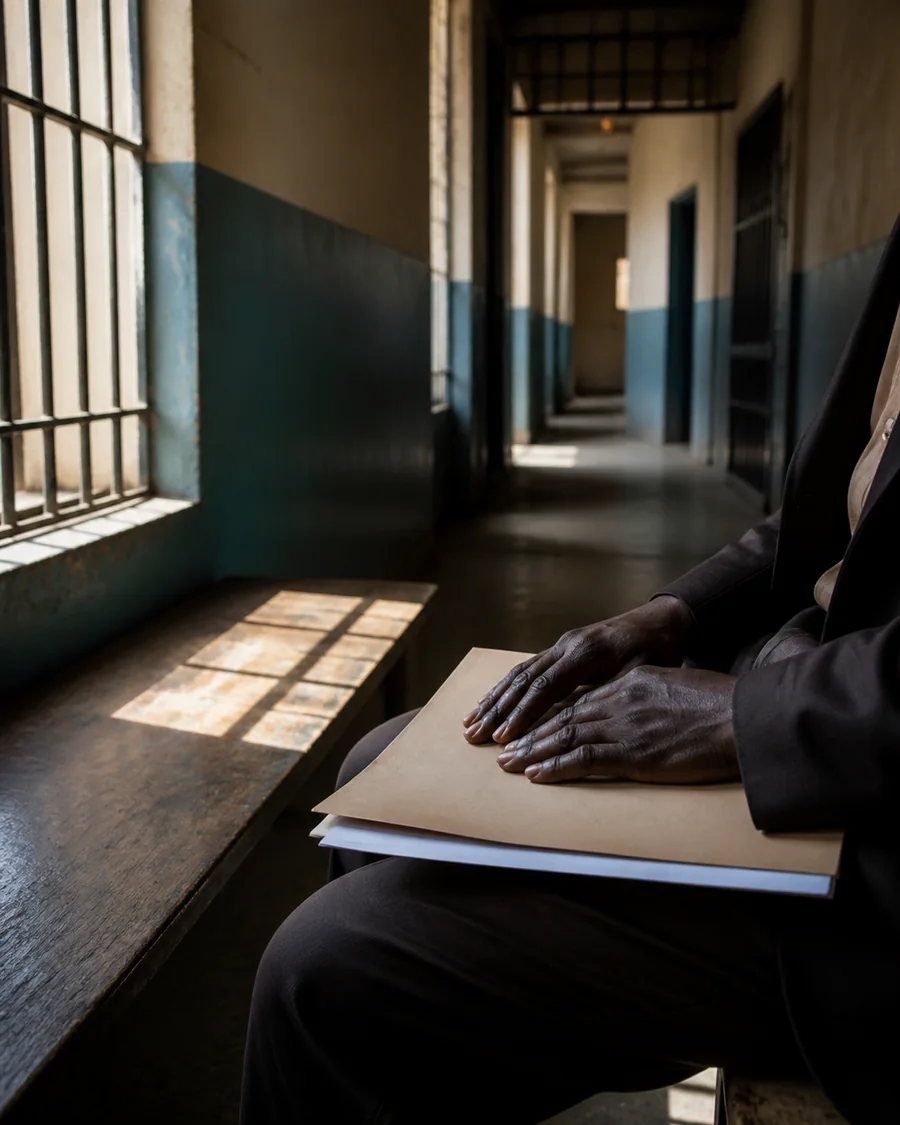 Rights · Justice · Reform
Detained Without Rights: Immigration Detention Practices in Kenya and the Case for Reform
Based on 18 months of detention monitoring and 140 interviews with migrants, this report documents systemic violations and proposes a detention reform agenda.
PDFs are available free of charge on request — email us at info@migrationpulsehub.org.
Citation: Migration Pulse Hub, Detained Without Rights, 2025, migrationpulsehub.org
Key Findings
- Average detention period without judicial review: 47 days — in violation of Kenya's constitutional requirement for review within 24 hours.
- 78% of detained migrants had no access to legal counsel during their detention period.
- Children were detained alongside adults in 6 of 8 monitored facilities, in direct violation of the Children's Act and international law.
- No formal complaints mechanism exists in any of the monitored facilities — leaving detained migrants with no recourse for abuse or mistreatment.
Organisational Annual Reports
Detailed programme evaluations, financial summaries, and impact stories — published annually as part of our commitment to transparency.
Annual Report 2025–2026
Programme outcomes, financial summary, and impact stories from our 2025–2026 year of operations.
⬇ RequestAnnual Report 2024
Highlights of our fourth year — expanded operations in Ethiopia and South Sudan, and 2,000+ people reached.
⬇ RequestAnnual Report 2023
Our third year — launch of the community paralegal programme and first strategic litigation victories.
⬇ Request