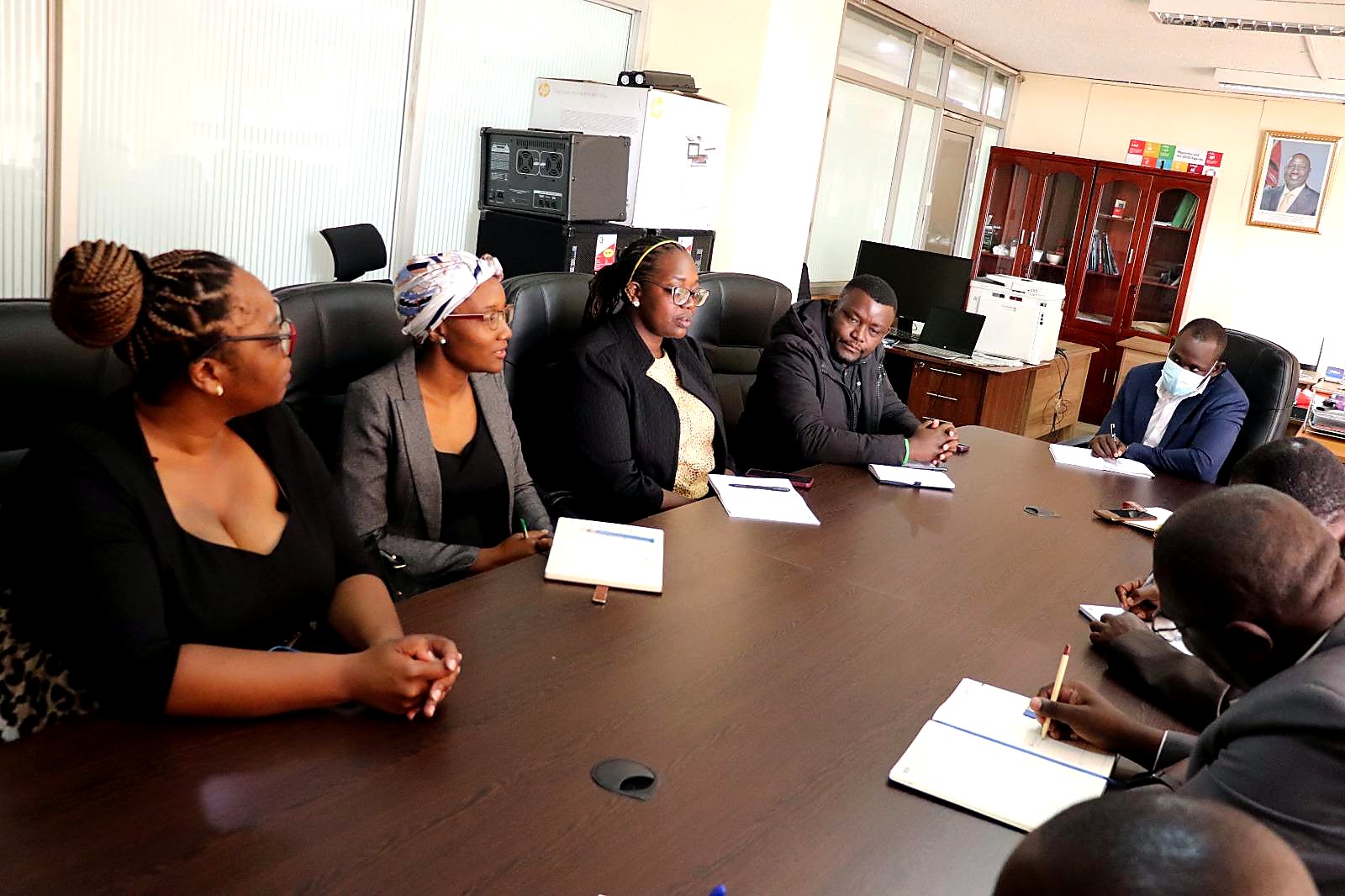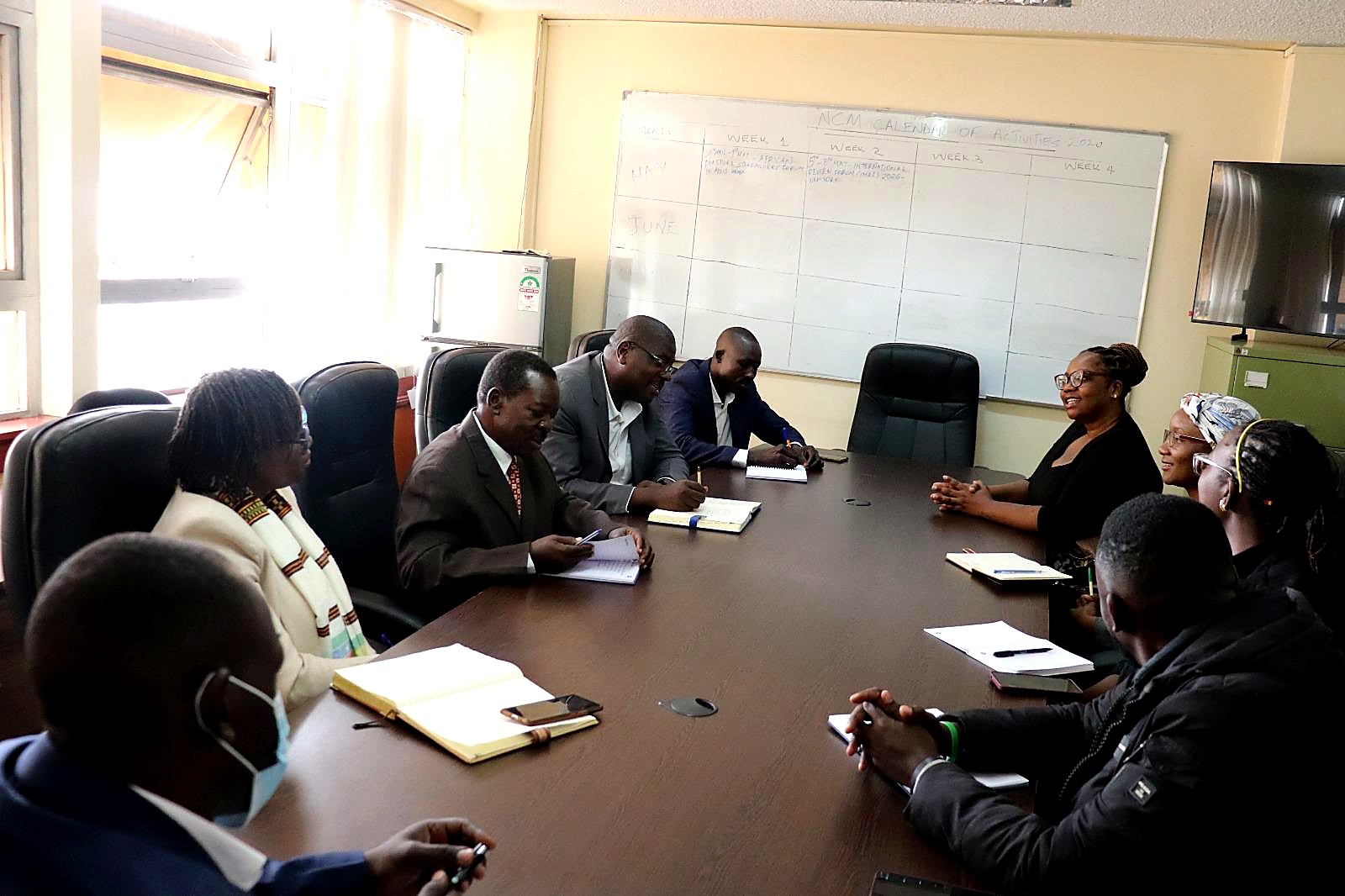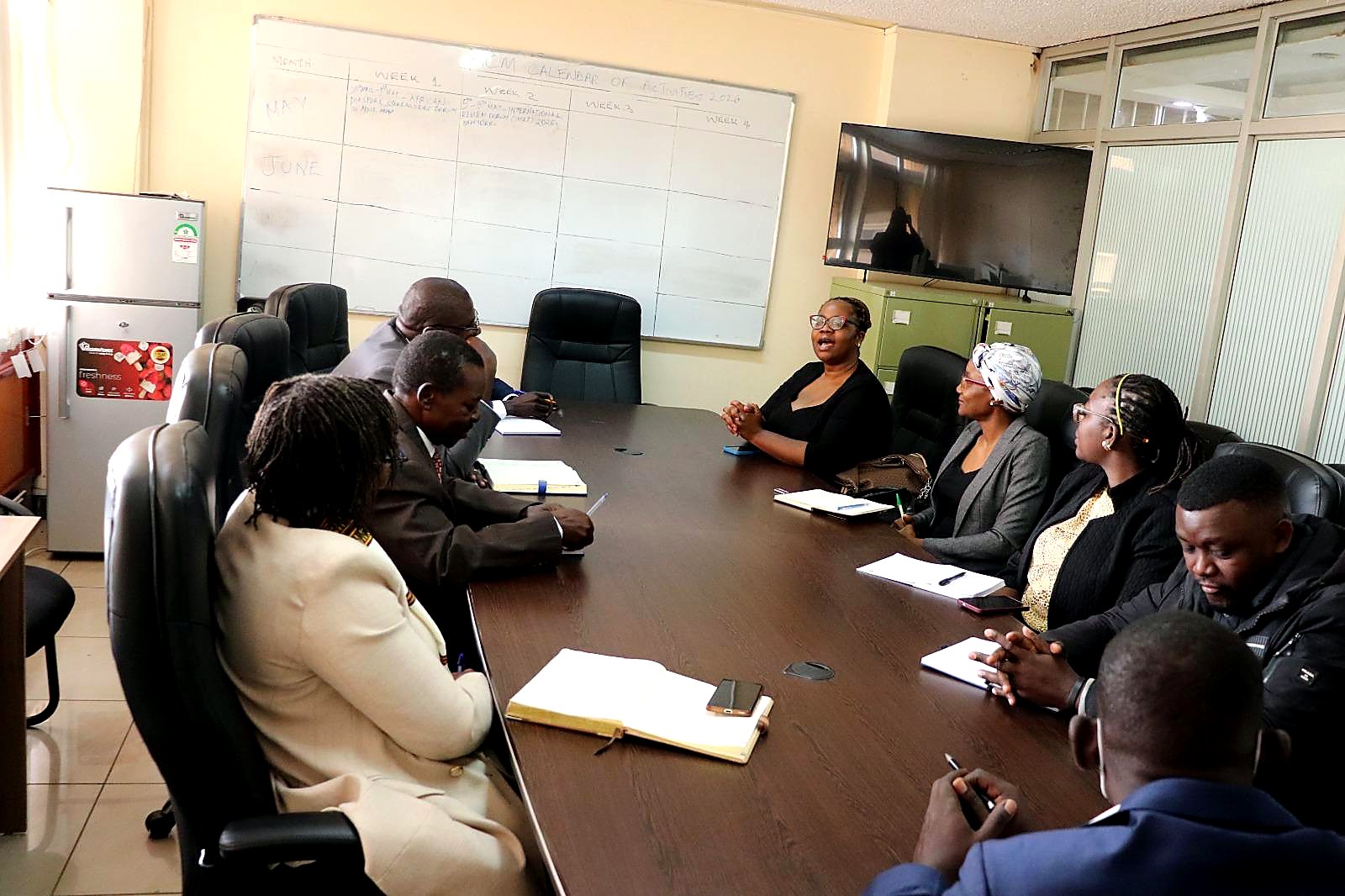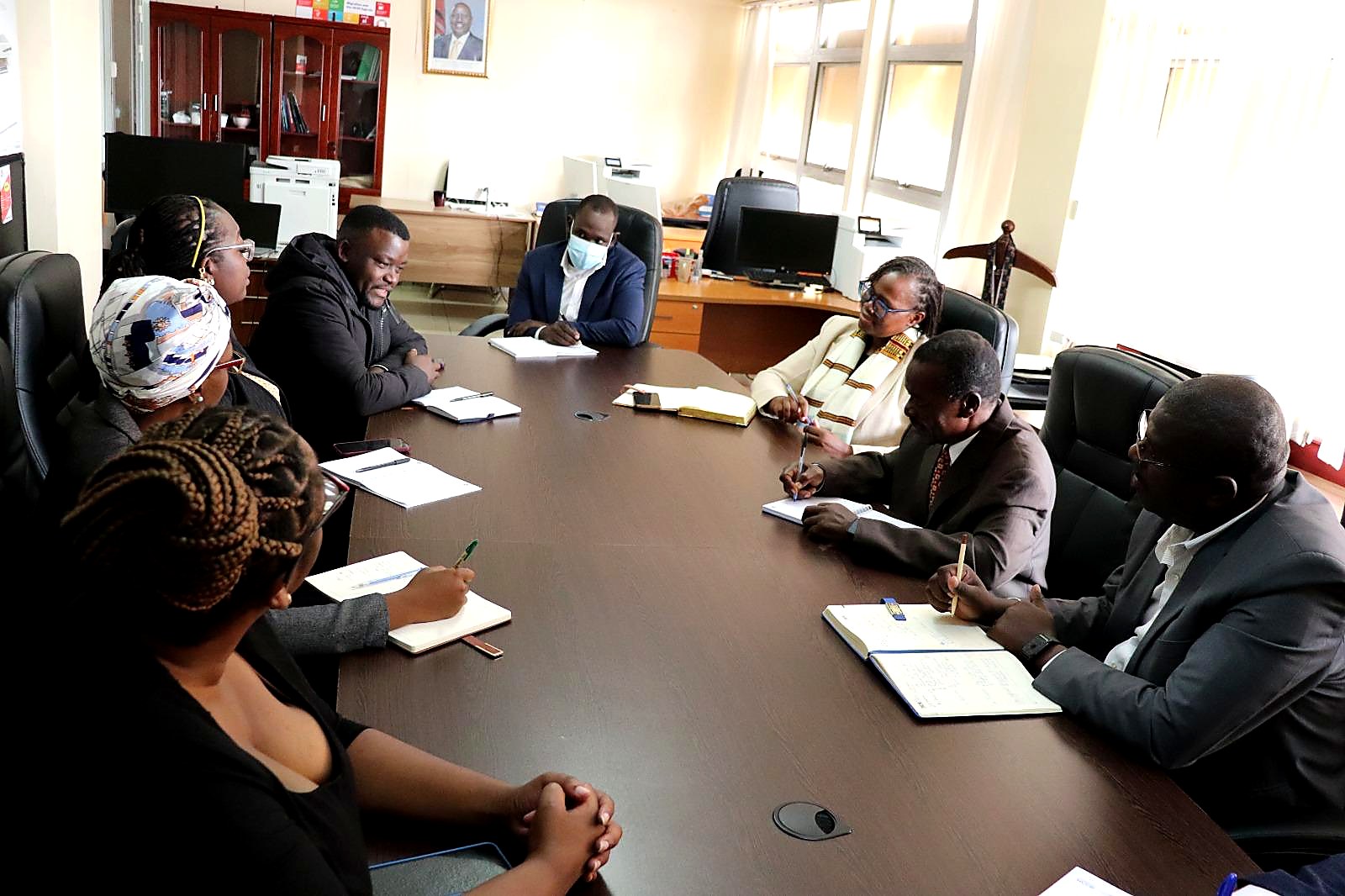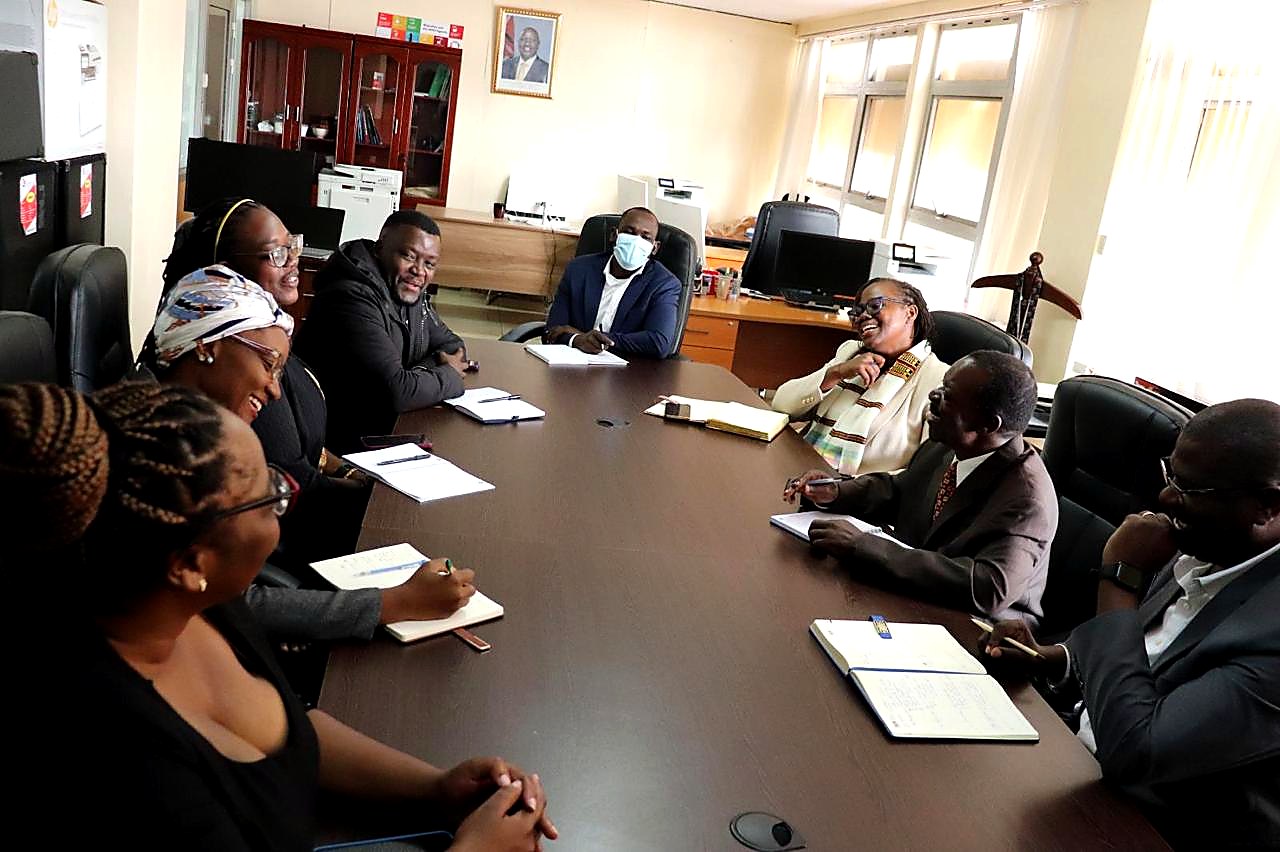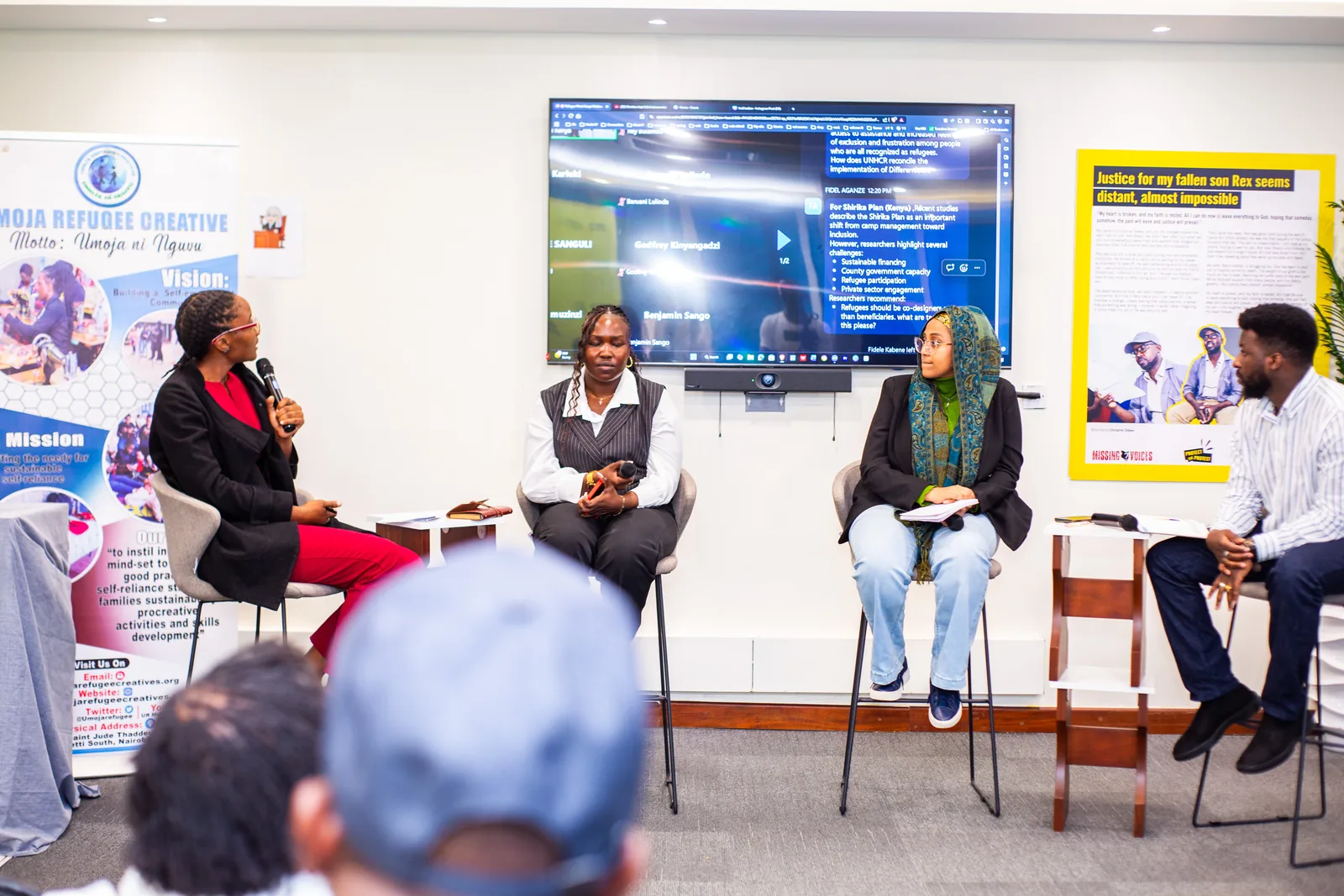
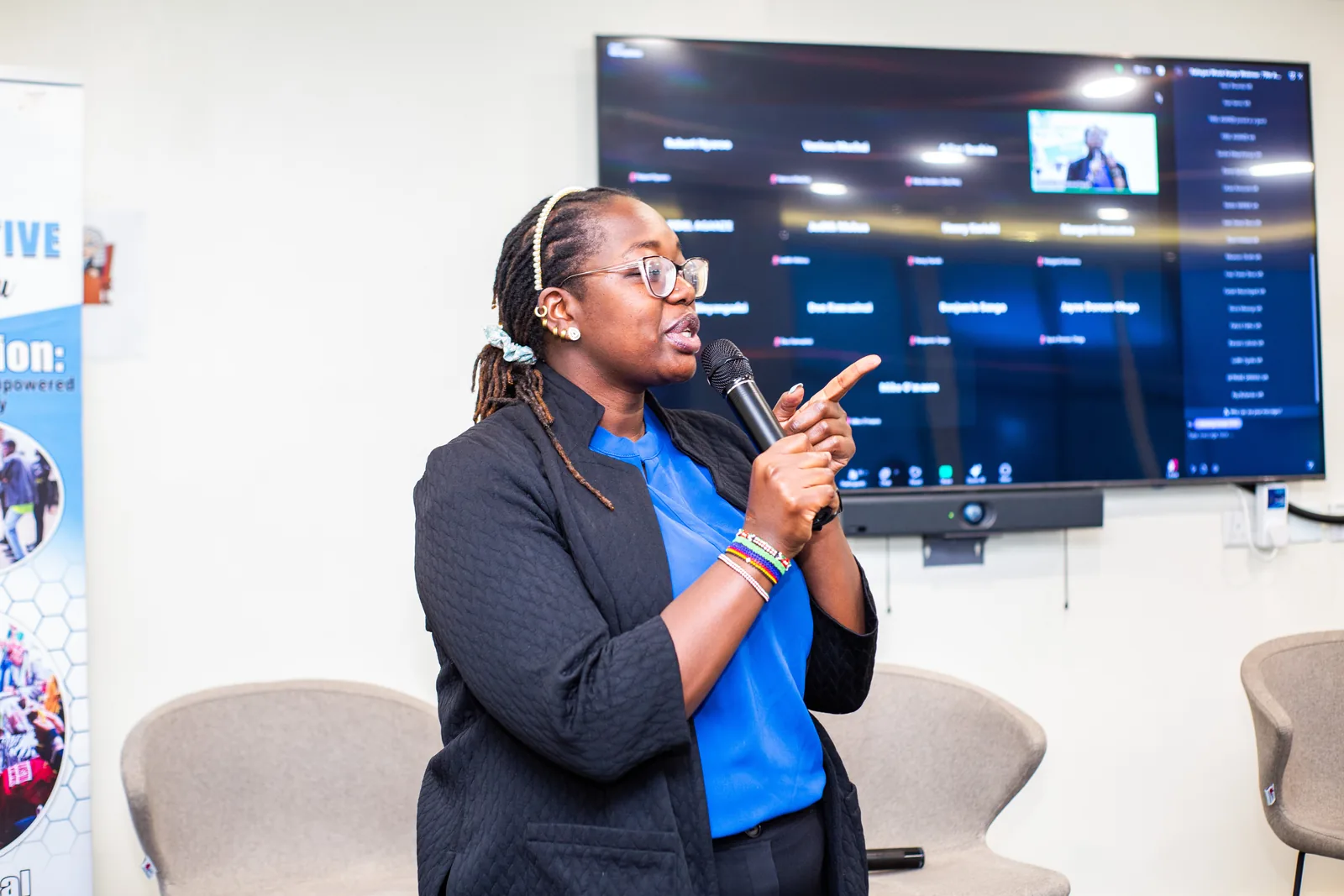
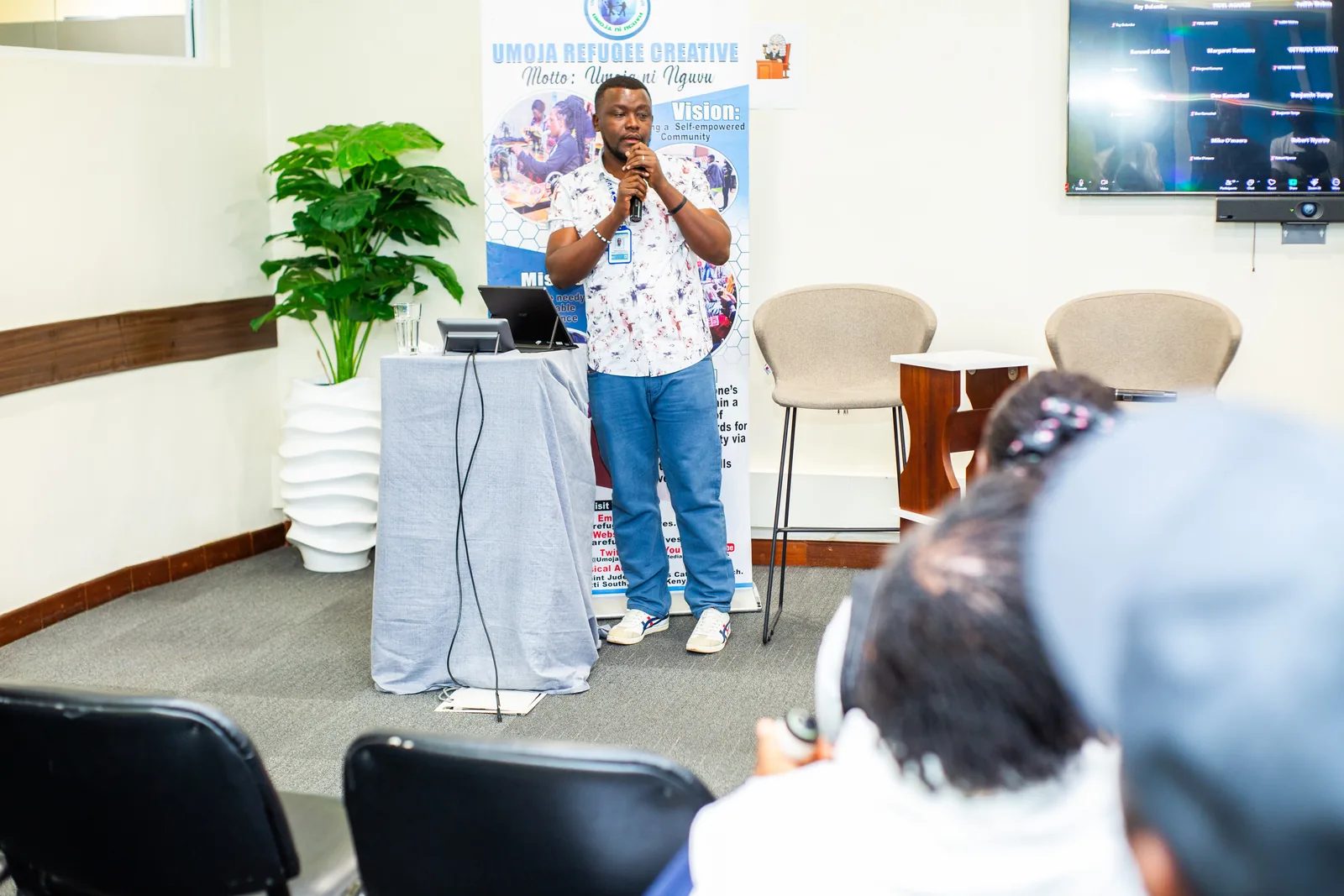
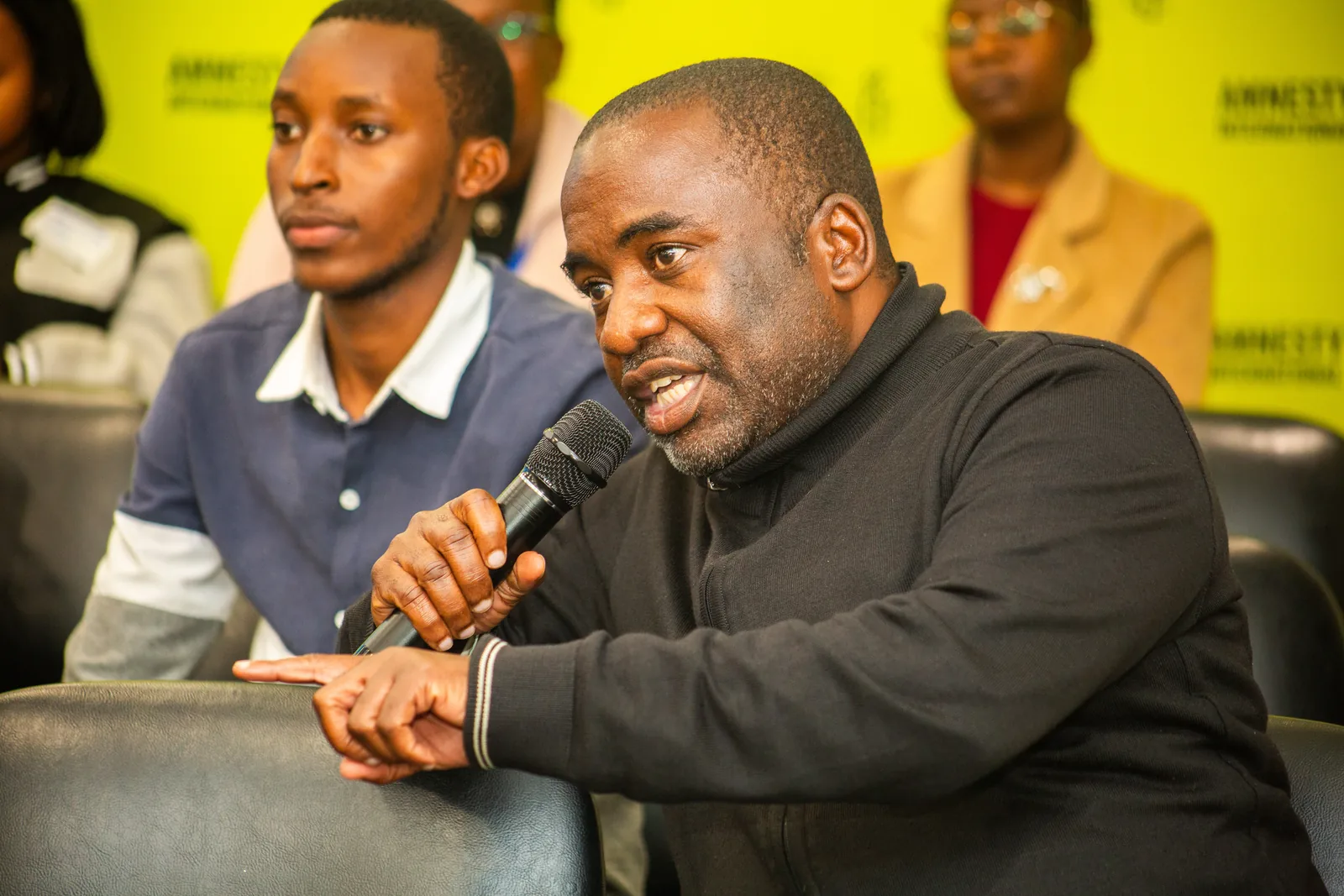
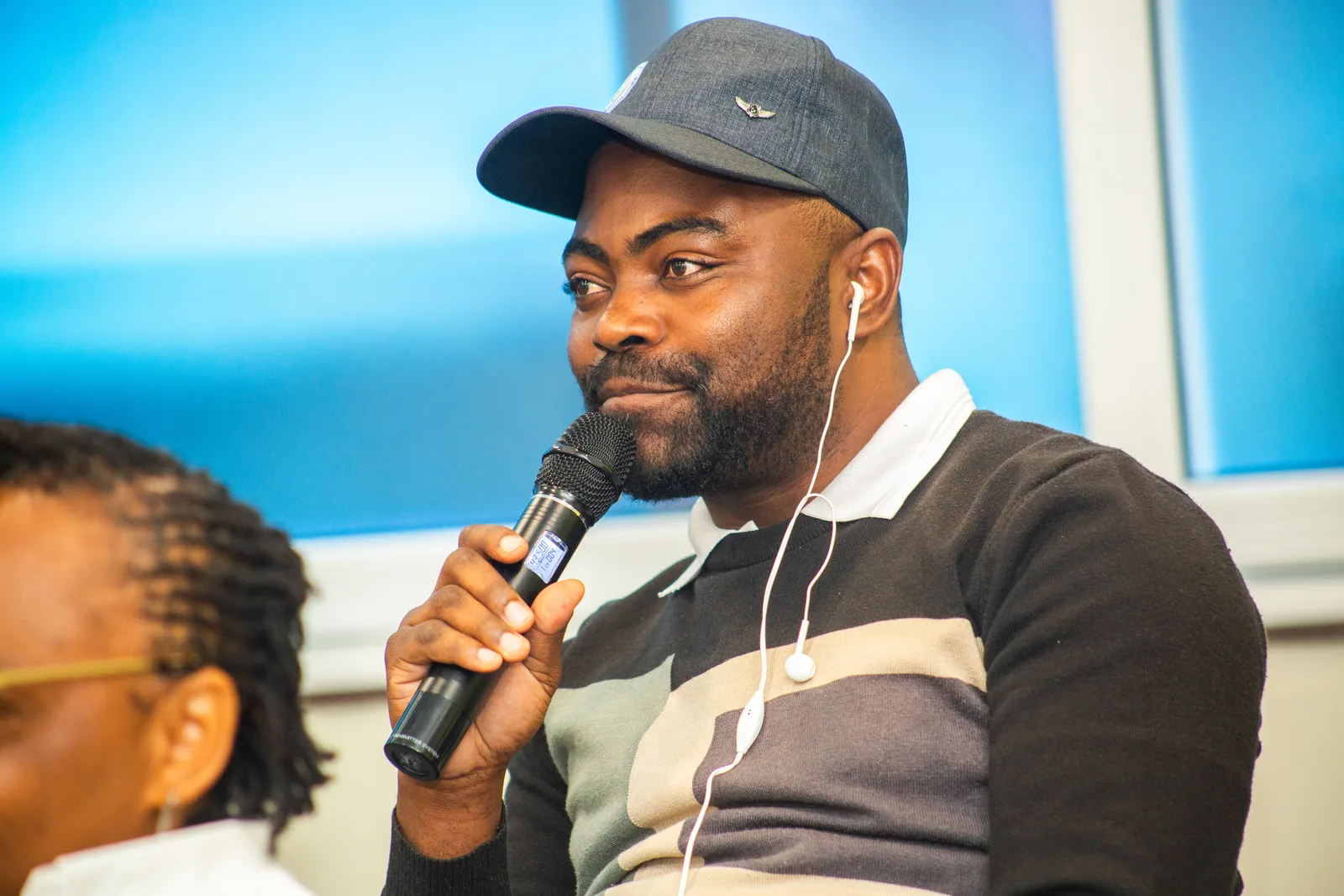
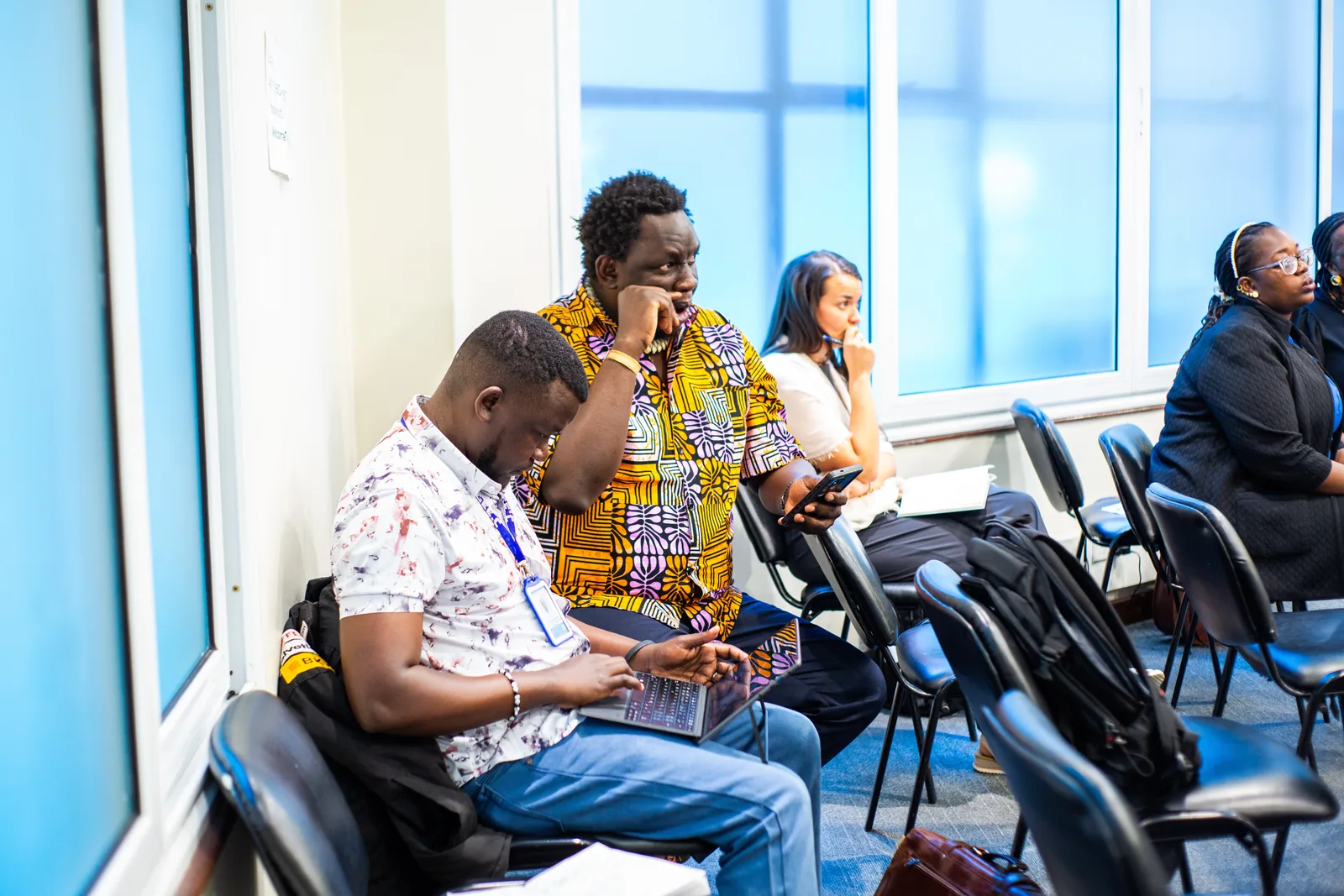
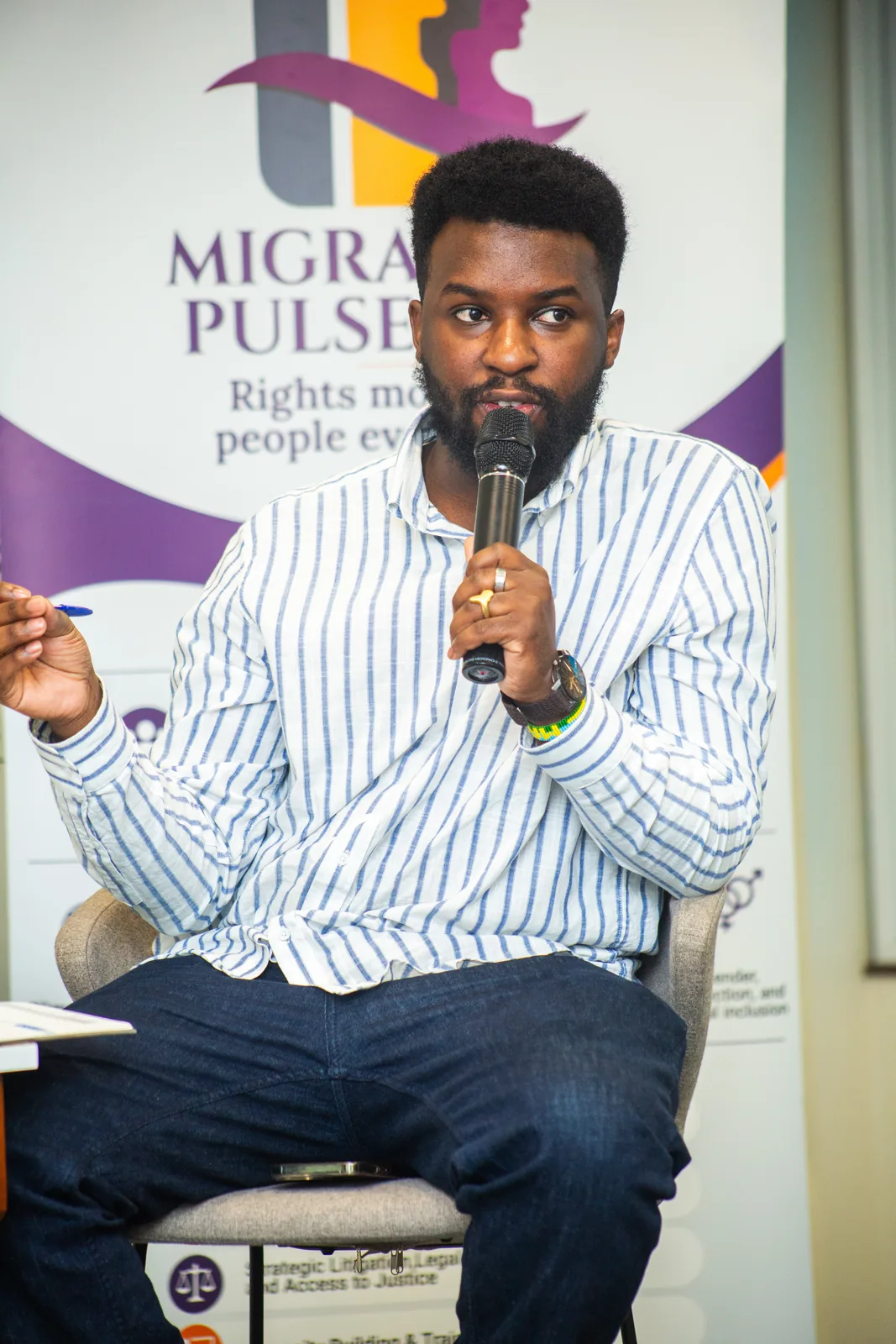
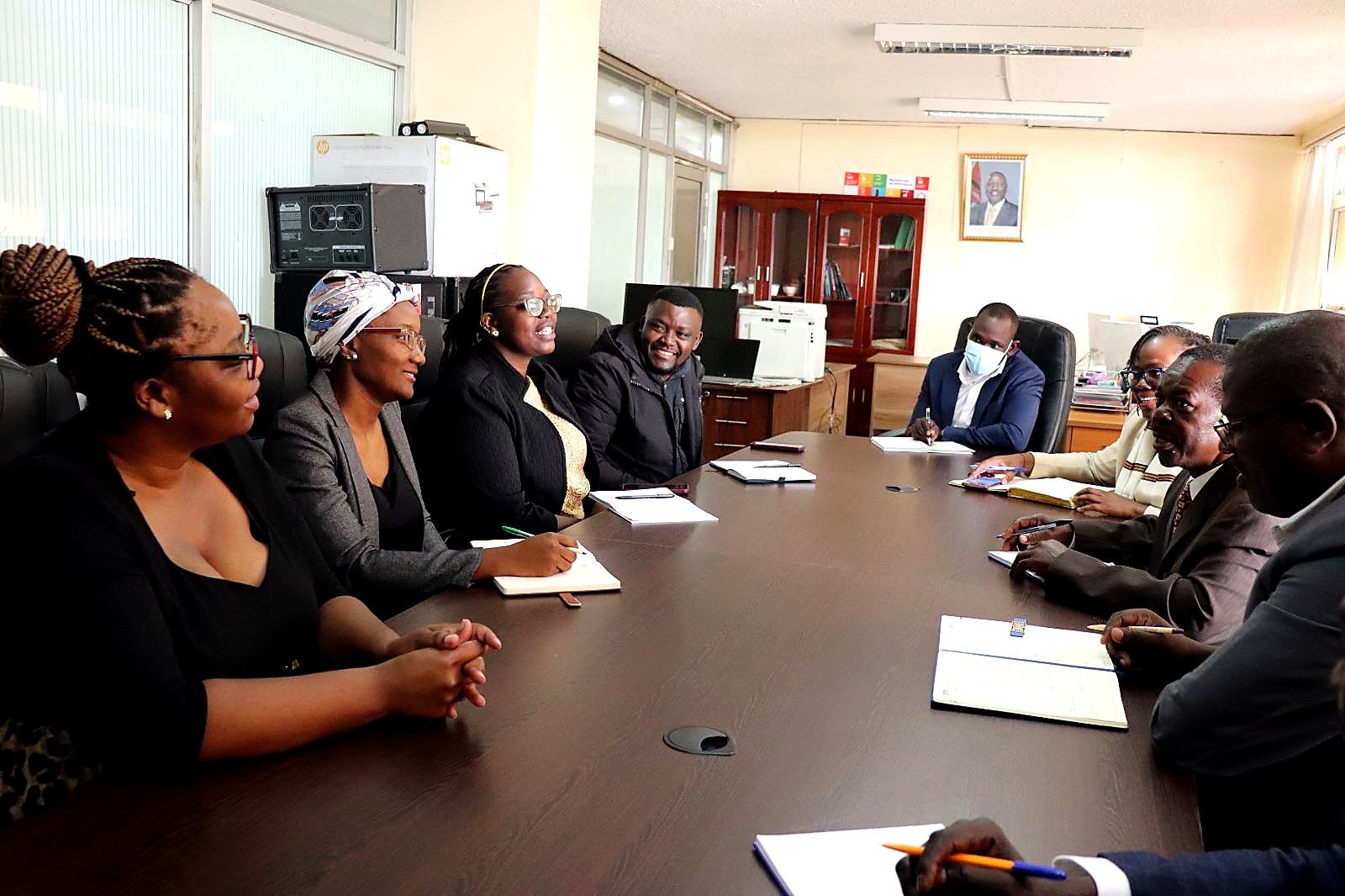
Migration Pulse Hub (MPH) and Umoja Refugee Creative (URC) were pleased to jointly meet with the National Coordination Mechanism on Migration, led by Dr. Dan Opon, at their offices to discuss partnership opportunities ahead of the upcoming Refugee Week Festival in Nairobi.
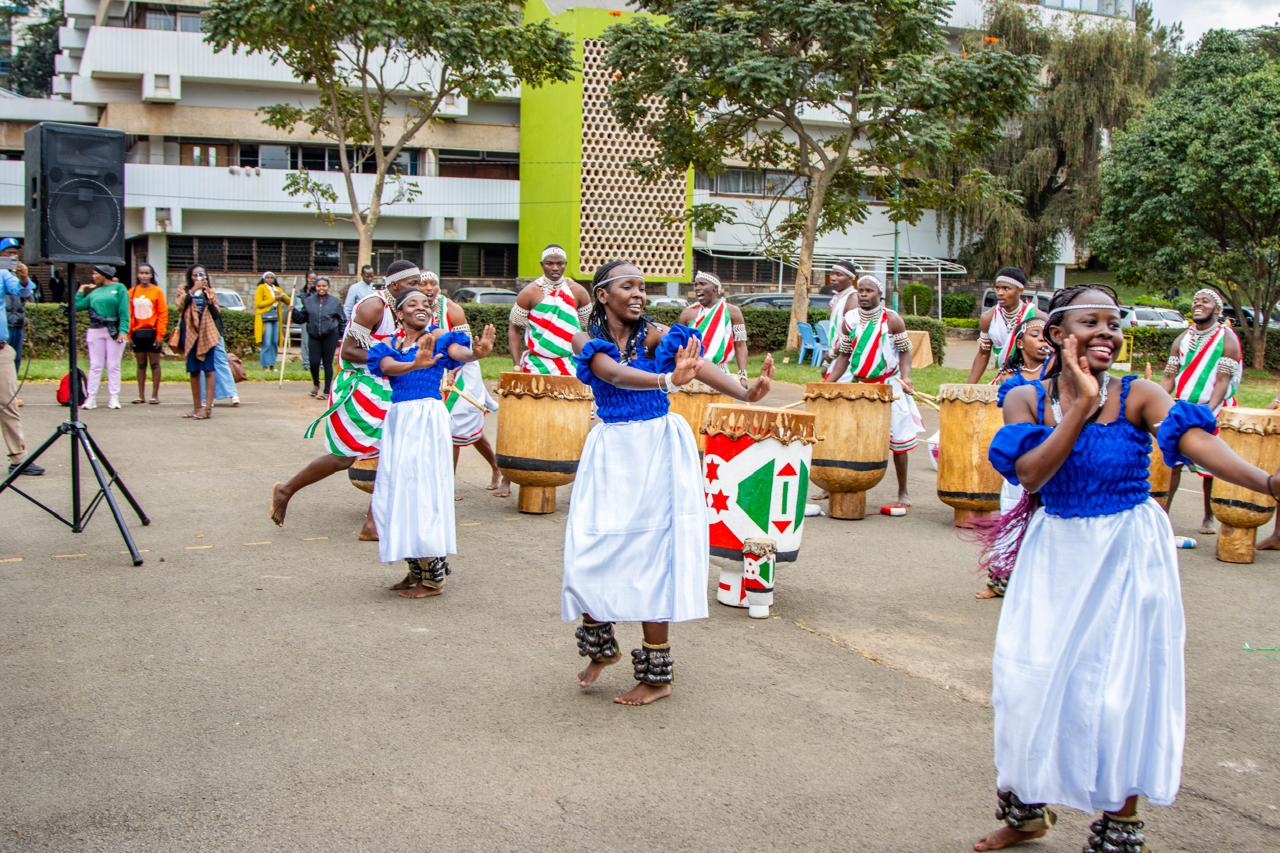
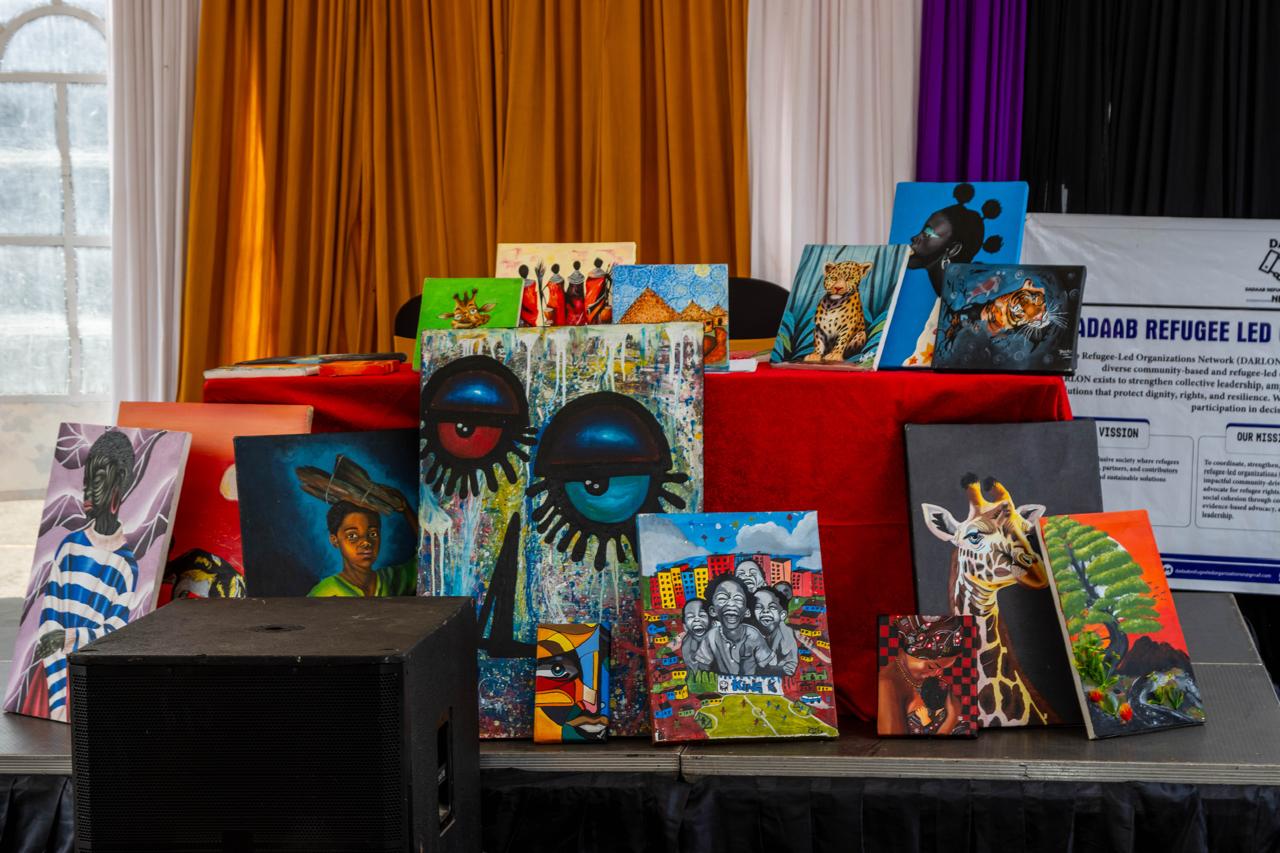
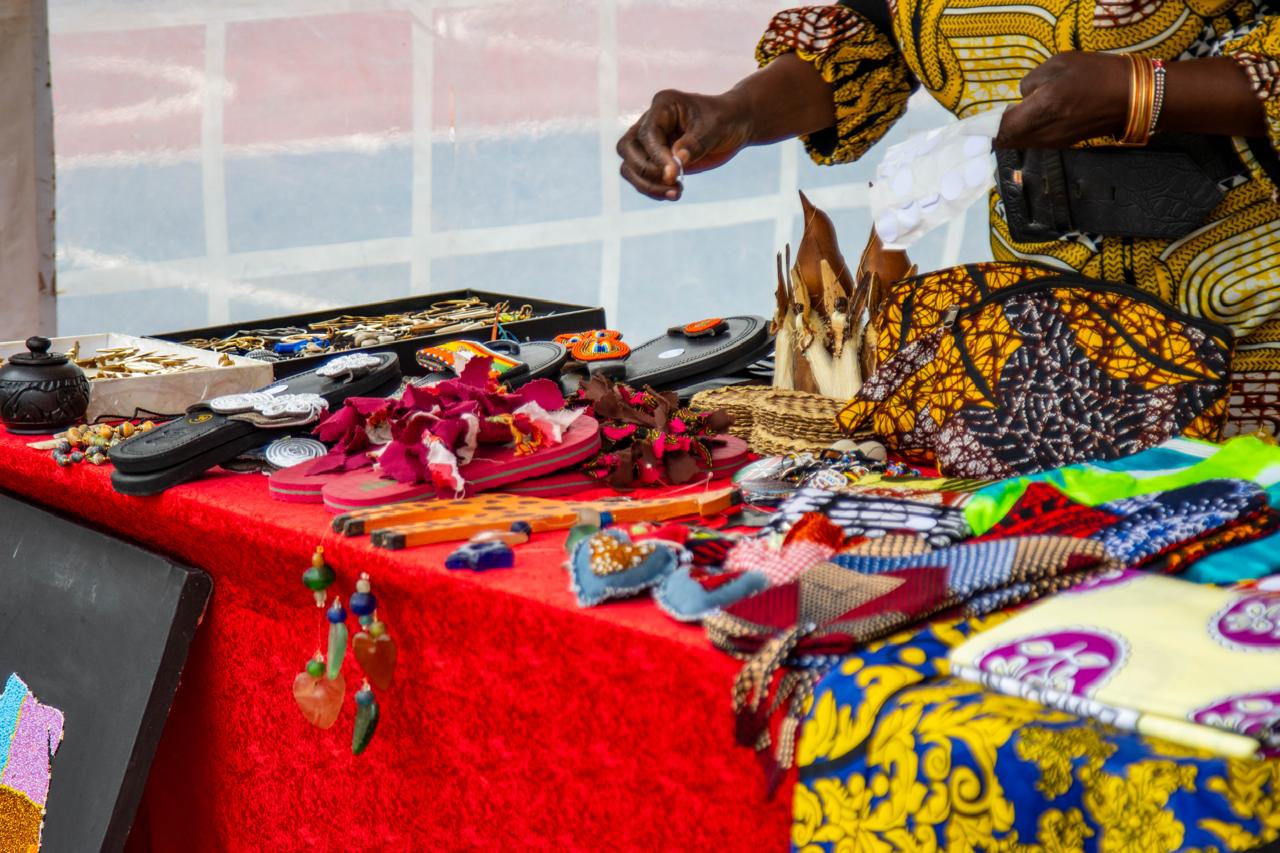
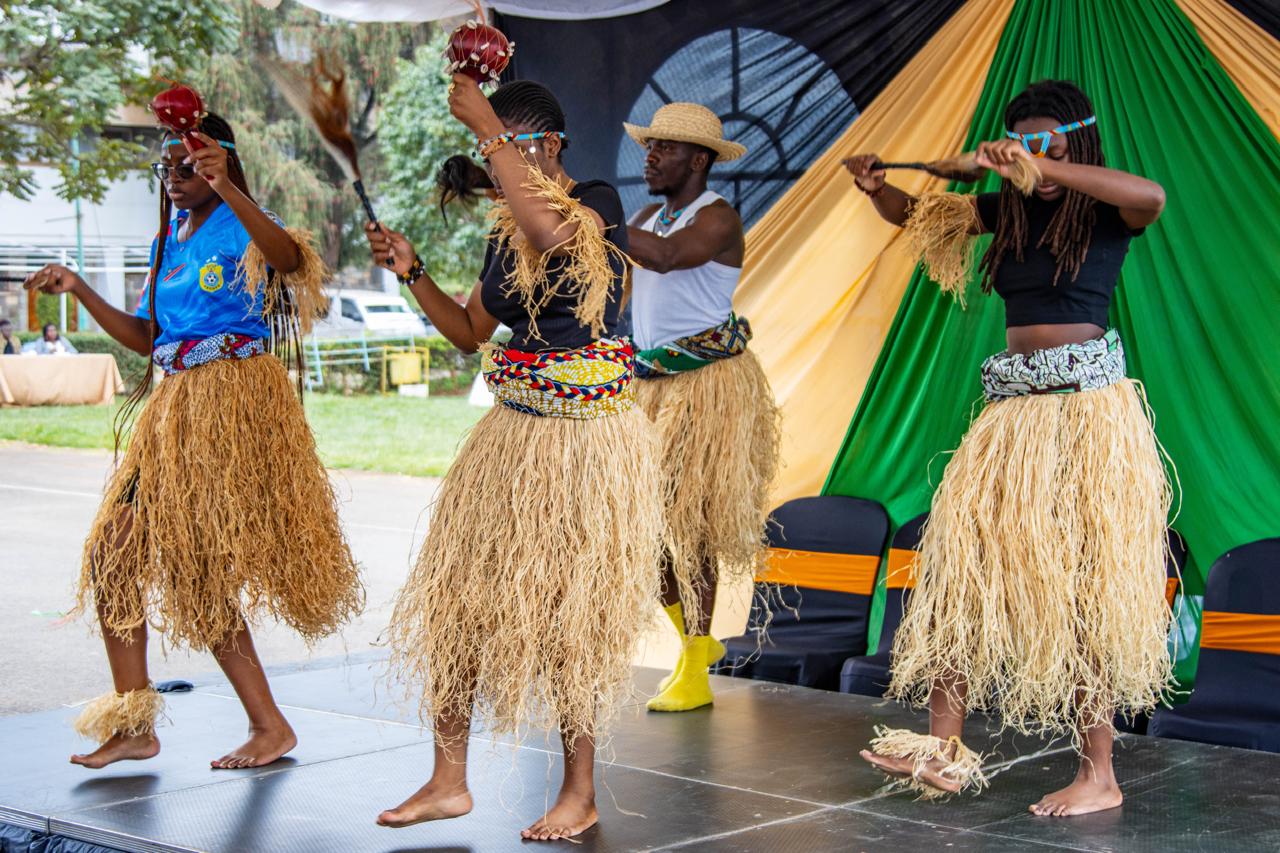
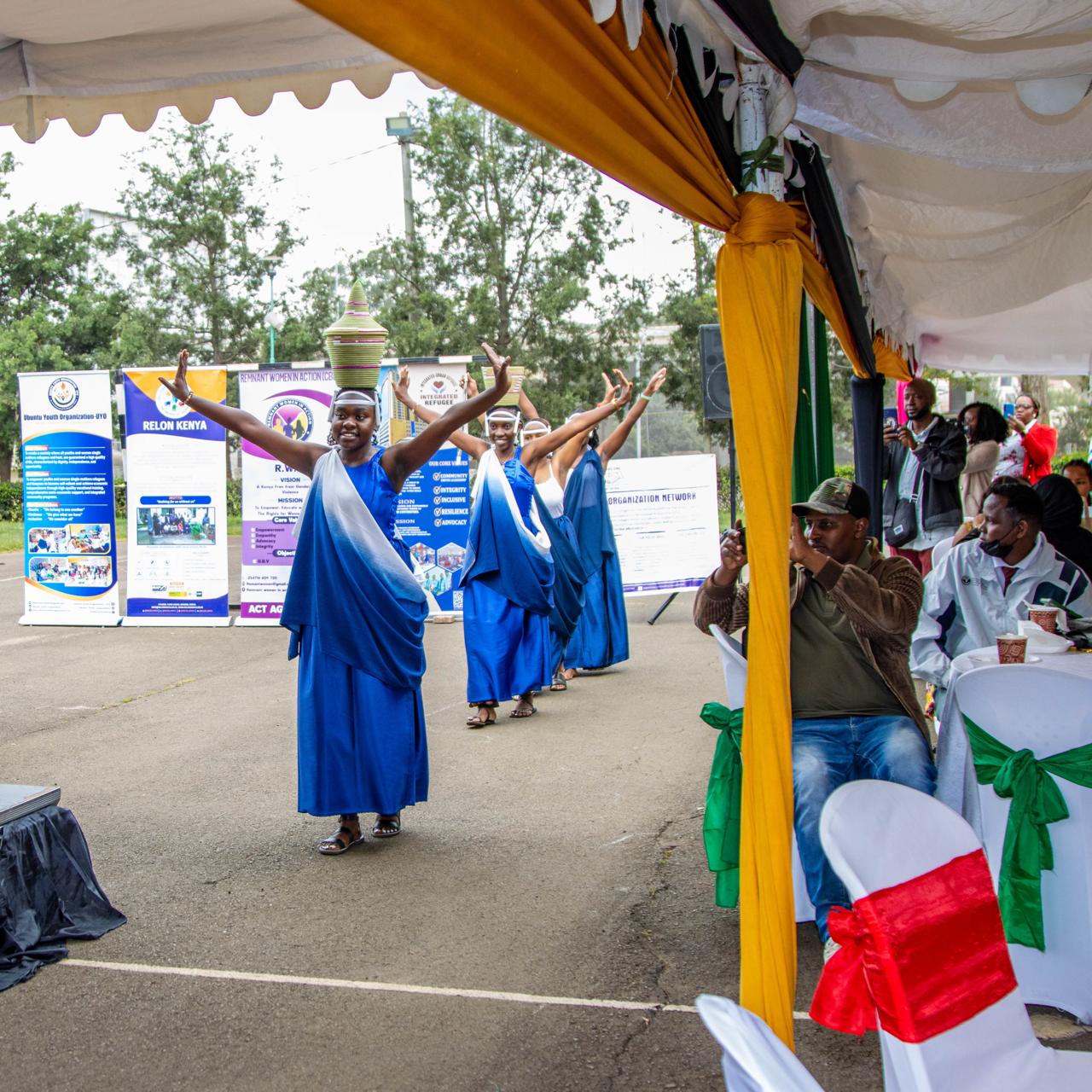
This year's Refugee Week Festival will be the first event of its kind in East Africa, hosted in Kenya. It presents an important platform to celebrate refugee voices, promote inclusion through art and culture, and strengthen collaboration among actors working on displacement.
The meeting provided an opportunity for MPH and URC to introduce their work, share areas of collaboration, and explore how both organisations can contribute to a strong, inclusive, and rights-centred festival that reflects the dignity, creativity, and resilience of refugees, migrants, and host communities.
Together, MPH and URC are building partnerships that connect research, policy engagement, storytelling, creative expression, and community participation in advancing the rights of people on the move.